
General
Second Flush Assam Tea: Why June Is the Best Time to Buy It Fresh
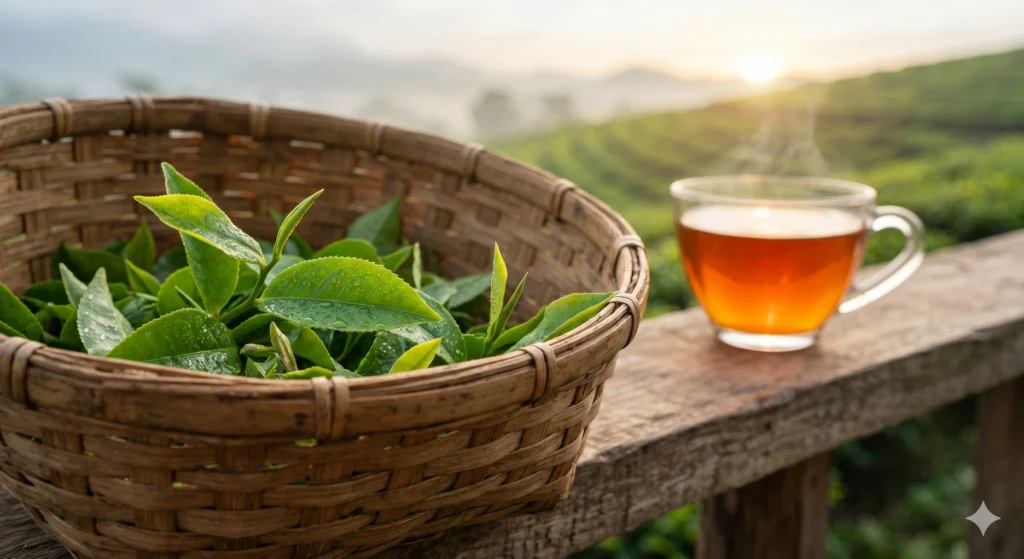
Jun
There is a reason tea drinkers around the world wait for June.
If you have ever wondered why two packets of “Assam tea” can taste worlds apart — one thin and ordinary, the other deep, malty and almost honeyed — the answer often comes down to a single word: flush. And the flush that connoisseurs quietly hold their breath for, the one that produces Assam’s most prized cup of the entire year, arrives right now.
This is the second flush — and June is its moment.
What is Second Flush Assam tea?
A tea garden doesn’t produce the same leaf all year. The plant flushes in waves across the seasons, and each wave has a distinct character.
The first flush (around March to April) gives a lighter, brisker, greener cup. Then, as the Assam valley warms and the plant matures into early summer, it pushes out the second flush — typically from May into June. This is the harvest that built Assam’s global reputation.
Second flush leaf is richer, rounder and unmistakably malty, with the famous golden tips that signal a well-made Assam. Hold the dry leaf to the light and you’ll see them: fine, pale-gold buds woven through the dark leaf. Those tips are the young, most delicate growth, and they are exactly what makes a second flush cup taste full, smooth and a little sweet rather than sharp.
In short: first flush is bright and brisk. Second flush is deep and luxurious. If you take your tea with milk in the Assamese way, second flush is the one that holds its character instead of disappearing.
Why June is the best time to buy
Tea is an agricultural product, and the best of it is seasonal — the same way the best mangoes belong to summer, not December.
Buy a tin of second flush in June and you are drinking leaf that was on the bush weeks ago, not months. Freshness matters more in tea than most people realise. As leaf ages and sits in warehouses and warehouses-of-warehouses, those aromatic compounds fade, the maltiness flattens, and the golden brightness dulls into something generic.
June lets you skip the entire chain. The estates are flushing, the best lots are being graded, and the tea reaching a serious tea house is at its freshest and most expressive. Wait until autumn and you are usually drinking the same harvest — just older, and after it has passed through more hands.
There is also a simpler reason: the truly exceptional second flush lots are limited. The finest tippy grades from the best gardens sell out. June is when you have the full range to choose from.
How to tell good second flush from Assam-flavoured tea
Plenty of tea is sold as Assam. Far less of it is genuinely a single-estate second flush. A few honest signals:
- Look for golden tips. A good tippy second flush visibly shows them. A flat, uniform brown dust rarely does.
- Smell the dry leaf. It should smell of malt, dried fruit and warmth — not of nothing.
- Watch the liquor. Second flush brews to a bright, coppery red-amber. Murky or dull-brown is a warning sign.Ask where it’s from. A real answer names a garden. A vague one names a marketing word.
That last point matters most. The difference between “Assam tea” and Halmari second flush is the difference between a region and an address.
The gardens behind a great cup
We are particular about this because we live here. We are Assam — and the gardens are not abstractions to us, they are names with reputations earned over a century.
Estates like Halmari, Jogipathar and Mouling are not interchangeable. Each garden’s soil, elevation, shade and plucking standard leaves a fingerprint in the cup — one slightly brisker, another rounder, another with a particularly clean malt.
Buying second flush by garden, rather than by a generic “Assam” label, is how you go from drinking tea to actually tasting place.
This is the whole point of single-estate tea: you taste a specific patch of earth in a specific season. June second flush is that idea at its peak.
How to brew second flush Assam at home
You’ve bought well — now don’t waste it.
- Use about one teaspoon of leaf per cup.
- Water just off the boil (roughly 95–100°C).
- Steep 3 to 4 minutes for orthodox second flush; a little less if you like it lighter.
- Taste it black first to meet the malt, then add milk if you like. A good second flush is one of the few teas that is genuinely excellent both ways.
Avoid over-steeping — second flush rewards patience, not punishment. Pull the leaf before it turns bitter and you’ll get that signature smooth, sweet-malty finish.
Where to buy fresh second flush Assam tea in Guwahati
You can buy tea anywhere. The question is whether you can buy it fresh, single-estate and properly stored — and whether anyone behind the counter can actually tell you which garden it came from.
At our retail store on GS Road, Christian Basti, Guwahati, you can do something most tea buyers never get to: taste before you commit. Smell the season’s second flush, compare gardens side by side, and walk out with leaf chosen for your palate rather than a guess off a supermarket shelf. With over 1,200 Google reviews and tea that’s reached more than 50 million cups, the store has become a small landmark for people who take their cup seriously — locals and visitors alike.
If you can’t make it in, the same second flush is available to order online, packed fresh and shipped across India.
This harvest won’t repeat until next year. The best of June’s second flush is on the shelves now — and when a great lot is gone, it’s gone until 2027.
Frequently asked questions
What does “second flush” mean in Assam tea?
It refers to the second major harvest of the year, usually from May into June. Second flush leaf is prized for its rich, malty flavour and golden tips, and is widely considered the finest Assam harvest of the season.
Is second flush better than first flush?
Neither is simply “better” — they’re different. First flush (March–April) is lighter and brisker; second flush (May–June) is fuller, maltier and smoother. Most Assam lovers, especially those who take milk, prefer second flush.
When is the best time to buy Assam second flush tea?
June, while the harvest is fresh and the full range of estate lots is still available. Buying in season means fresher, more aromatic leaf than the same tea bought later in the year.
What are golden tips in Assam tea?
Golden tips are the young, pale-gold buds visible in high-quality tippy Assam. They indicate careful plucking and are a hallmark of a good second flush.
Where can I buy authentic single-estate Assam tea in Guwahati?
You can buy fresh, single-estate second flush at the Namhah Tea store on GS Road, Christian Basti, Guwahati — where you can taste before you buy — or order online for delivery across India.
